The Do's and Don'ts of Cladding Spray Application
Cladding spray application is changing the approaches to the aesthetics of building maintenance. As an cutting-edge technique, it allows property owners to breathe new life into their structures without the need for costly replacements. This method enhances the look of a building but adds to its long-term strength and value. Knowing what cladding spraying is and why it is important is essential for anyone thinking of give their property a facelift or simply searching for effective maintenance options.
In this article, we will discuss the dos and don'ts of cladding spraying, presenting a comprehensive guide chock-full of insights for businesses and homeowners alike. From the benefits of hiring professional services to picking the right contractor, we will address everything you need to know to make wise choices. Additionally, we will explore maintenance tips, color trends, and the influence of environmental factors, ensuring that your cladding spraying project is a triumph from start to finish. Whether you're aiming to improve appearance, elevate property value, or simply refresh an aging facade, this guide will prepare you with the knowledge to achieve stunning results. spintax
Comprehending Facade Spraying
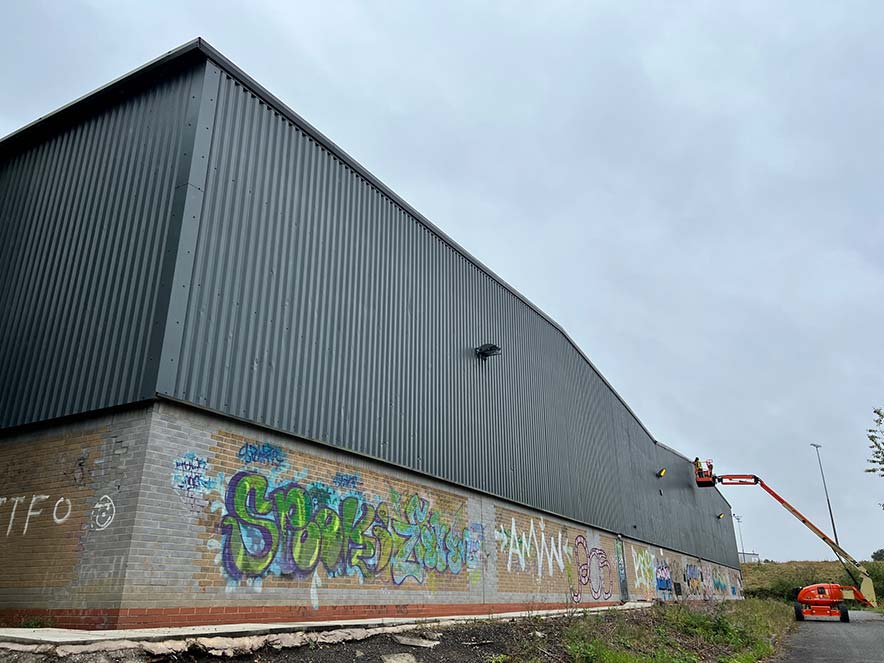
Cladding spraying is an advanced technique used to improve the outer appearance of structures. It involves putting on a tailored coating to facade materials, which can comprise various surfaces such as steel, wood, or plastic. This method not only improves the visual appeal of a structure but also provides a protective layer that helps to extend the lifespan of the facade. With the ability to alter the look of a building dramatically, facade coating has emerged as a popular choice for building proprietors looking to revitalize their properties.
The value of facade coating cannot be ignored, especially for business and residential buildings. It serves as a budget-friendly solution to renewing exteriors without the need for full substitution. By opting for spraying, companies can enhance their curb appeal, luring more clients and potentially raising asset value. Furthermore, the process can solve underlying problems such as deterioration, decay, or fading, ensuring that the structure remains visually appealing and structurally sound.
In conclusion, cladding spraying stands out as a innovative approach to building upkeep. sites blends visual improvement with utility, making it a valuable option for both new and antique buildings. As technological advancements progresses, modern coating methods further develop, allowing for a broader selection of colors, finishes, and sustainable options, establishing its position as a essential element in modern-day building renovation practices.
Benefits and Contrasts
Cladding spraying offers numerous advantages that make it an attractive choice for real estate owners and businesses. One of the main advantages is the considerable cost savings compared to traditional cladding replacement. The spraying technique can rejuvenate the appearance of a structure without the need for a full replacement, allowing property owners to achieve a new look while maintaining the existing components. This method also provides a barrier against the elements, extending the lifespan of the cladding itself.
When comparing cladding spraying to replacement, it's important to consider the quickness of the spraying process. While replacement can take weeks or even months, cladding spraying typically requires significantly less time, allowing businesses to minimize disruption. This is particularly important for commercial properties, where maintaining a professional appearance is vital to drawing in and keeping clients. Additionally, the spraying process can cover a variety of surfaces, making it a flexible option for a variety of structures.
Another noteworthy aspect to think about is the impact on property value. Cladding spraying not only enhances the visual appeal of a property but can also lead to a significant increase in market value. A well-executed spray job suggests proper maintenance and care for the property, making it more attractive to potential buyers or tenants. In contrast, poorly maintained cladding can detract from value and turn away prospective clients. Ultimately, the decision between spraying and replacement should hinge not just on immediate costs, but on long-term advantages and property enhancement potential.
Pragmatic Considerations
When organizing a cladding spraying project, it's important to evaluate the quality of the existing cladding. This analysis will help determine whether spraying is a feasible option or if replacement might be necessary. Inspect for damage, wear, and material compatibility before moving forward. Comprehending the substrate will also guide the choice of the right paints and coatings, ensuring durability and success.
Atmospheric conditions significantly influence the outcome of cladding spraying. Ideal temperatures and humidity levels are vital for effective adhesion and curing of the coatings. It's wise to plan the spraying during times of stable weather, preventing extreme heat, cold, or rain. Projects should also consider logistics and safety measures, as these factors can impact both productivity and the quality of the finish.
Finally, maintenance plays a crucial role in the long-term success of cladding spraying. Regular reviews and proper cleaning can enhance the life of the coatings and maintain the building's appearance. Stay aware about trends in cladding maintenance, and implement timely interventions to address any likelihood of issues before they worsen. This proactive approach will ensure that the expenditure in cladding spraying yields optimal value for your property.