Cladding Spray Technique Basics: Approaches for a Perfect Finish
Cladding spraying is an innovative technique that has transformed the manner we think about building exteriors. As webpage and companies look for cost-effective and aesthetically pleasing solutions for renovating their buildings, cladding spraying has become as a popular option. This process involves applying custom coatings to the cladding of a building, enhancing its appearance while providing durable protection. Comprehending what cladding spraying is and its importance can make all the difference in achieving a new, contemporary aesthetic for any property.
In this detailed guide, we will examine the various aspects of cladding spraying, from why it is essential for upkeeping the look and structure of your building to the benefits it offers. Whether you are a entrepreneur thinking about this option or a builder seeking to expand your skill set, we will discuss everything you should to know, including methods, cost implications, and maintenance tips. By the conclusion of this article, you will have a solid understanding of how cladding spraying can refresh your property and why it is becoming the go-to method for exterior refurbishment.
Advantages of Exterior Spraying
Cladding spraying offers a range of advantages for both home and commercial buildings. Discover More Here of the most notable benefits is the ability to dramatically improve the aesthetic appeal of a building. A fresh coat of paint can change a tired and outdated exterior into a contemporary, vibrant façade, increasing curb appeal and drawing in potential buyers or tenants. With various colors and finishes available, exterior coating allows for personalized customization to match the style and aesthetics of any building.
In addition to visual improvements, cladding spraying helps to protect the underlying materials from weather damage and decay. The coatings used in exterior coating are specially designed to withstand harsh environmental conditions, such as UV rays, rain, and wind. This coating of protection can extend the lifespan of the cladding, preventing expensive repairs or replacement in the future. As a result, property owners can enjoy peace of mind knowing their properties are safeguarded against the elements.
Another major advantage is the cost-effectiveness of cladding spraying compared to full exterior removal. Coating requires less time and work, which translates to lower total costs. In addition, the ability to refresh the building without the need for major renovations allows companies and homeowners to reduce disruption while optimizing their return. By selecting cladding spraying, property owners can attain a high-quality finish that looks great and stands the test of time.
Selecting the Proper Contractor
Choosing the right service provider for spraying cladding is important for achieving a smooth finish. Start by researching nearby providers with a strong track record in exterior renovation. Seek out ratings, testimonials, and project photos of previous projects. It’s essential to find professionals who focus in spraying cladding rather than general painting services, as they will have the specific knowledge required for this process.
Once you have a list, request bids and inquire specific queries about their experience and the products they suggest. A reputable provider should be prepared to offer contacts from former clients and a showcase showcasing their work. Seek information about their methodology, including prepping the surfaces and the varieties of finishes they use to provide resilience and visual appeal.
Ultimately, discuss promises and backing on their work. A skilled provider should back their work and offer guarantees that the finish will hold up. Spend time to contrast different professionals, as the right choice will not only boost your property's aesthetic but also guarantee a long-lasting outcome that fulfills your demands.
Cladding Spraying Procedure and Care
The surface spraying procedure begins with careful prep of the surface. This includes cleaning the surface to remove dirt, grime, and any previous coatings that might prevent adhesion. A thorough assessment of the cladding is crucial to choose the right type of paint or coating. If the surface has any damage or wear, repairs should be performed before any spraying takes effect. Covering off areas that should not be coated is also an essential step to guarantee a clean and professional finish.
Once prep is done, the actual spraying process can commence. Using specialized tools, such as airless spray guns, allows for uniform distribution of the selected coating. It's crucial to apply the paint uniformly, giving special attention to corners and edges. Multiple coat applications could be necessary depending on the product and desired finish. Throughout the application, technicians must monitor for environmental conditions such as temperature and humidity, which can significantly affect the results.
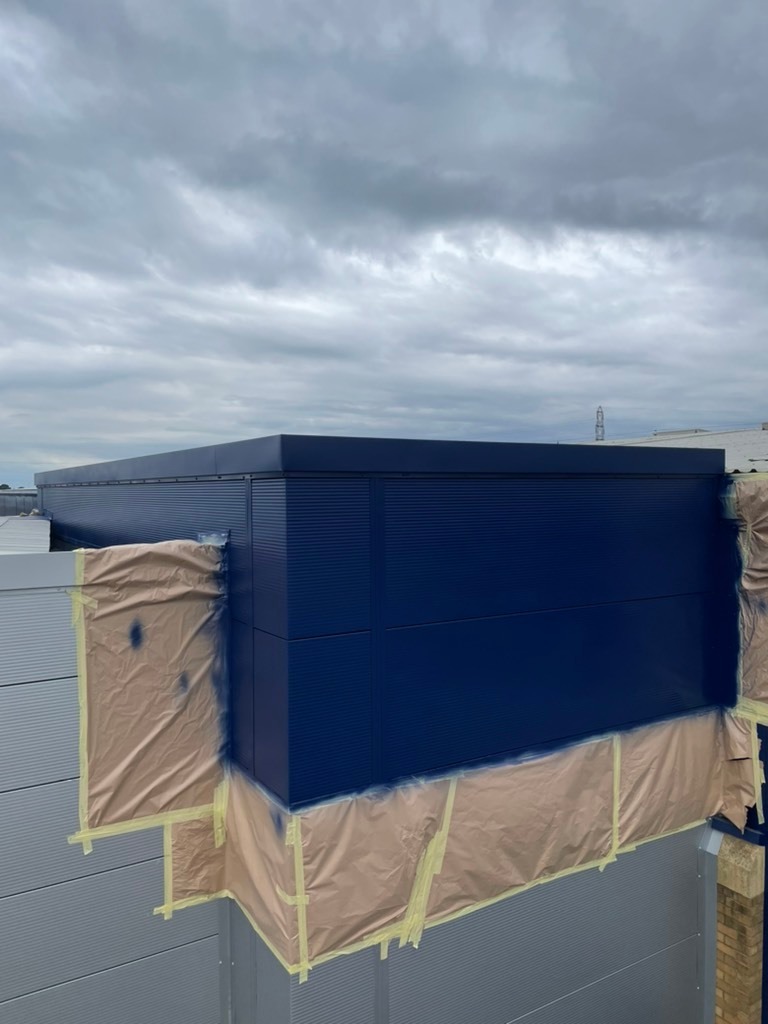
After the application process, maintenance plays a key role in the durability of the finish. Regular inspections should be planned to look for signs of wear, fading, or any damage. Simple cleaning routines, such as washing the surface with mild soap and water, can help maintain the appearance. Additionally, it is recommended to reapply protective coatings every few years to keep the cladding looking new and enhance its lifespan. By adhering to these care tips, homeowners can ensure that their expenditure in cladding spraying continues to provide aesthetic and defensive benefits for a long time to come.